I often see equipment fail in recovery work because the pulling system was misunderstood or chosen too lightly. This leads to delays, damage, and unsafe situations on site.
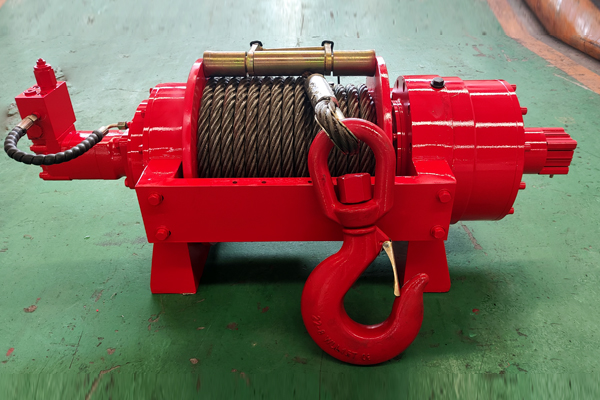
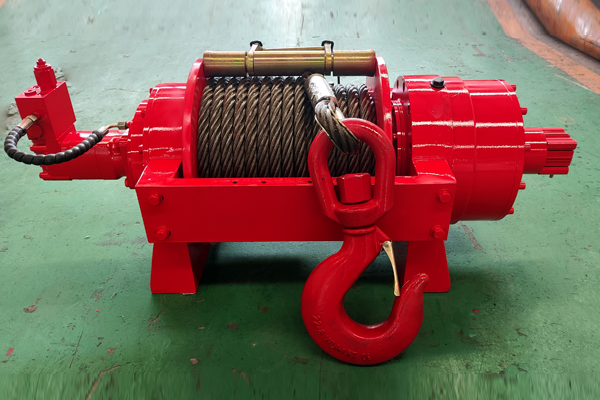
A hydraulic winch works by converting hydraulic oil pressure from the vehicle or power unit into controlled rotational force, which turns the drum and pulls the wire rope under stable and continuous load.
I learned early in my career that once people understand how the system really works, they stop choosing winches by guesswork and start choosing them by engineering logic.
What is the capacity of the winch used by tow trucks?
Many tow trucks look powerful from the outside, but the winch capacity inside often becomes the real limit during recovery work.
Most tow trucks use hydraulic winches with rated capacities ranging from 8 tons to over 30 tons, depending on the truck class, recovery task, and rope configuration.
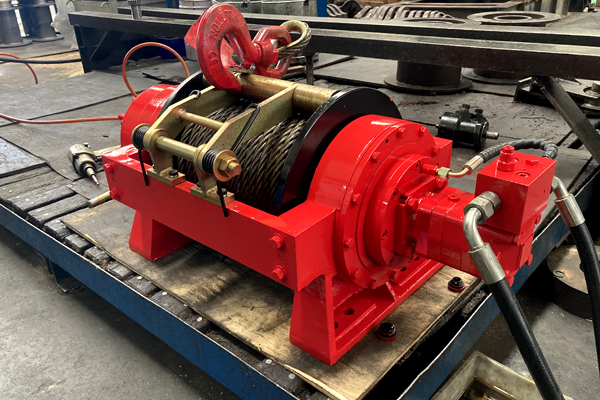
When I work with recovery vehicle builders, I always explain that winch capacity is not a single number. It depends on how the winch is used. In real projects, I have seen the same truck model use very different winches based on its job.
Understanding tow truck winch capacity in real use
In practice, tow truck winch capacity depends on several linked factors. I often walk customers through these points one by one, because ignoring even one can cause failure later.
First, the rated line pull is usually measured on the first rope layer. As the rope builds up on the drum, the pulling force drops. This is simple physics, but many buyers overlook it.
Second, the vehicle type matters. Light-duty tow trucks may use winches around 8–12 tons. Medium-duty trucks often move into the 15–20 ton range. Heavy-duty wreckers usually require 25–30 tons or more.
Third, recovery style changes everything. Straight pulls, angled pulls, and multi-line rigging all change the actual load on the winch. I have worked on projects where a 20-ton winch was enough only because a snatch block was planned from the start.
| Tow Truck Type | Typical Winch Capacity |
|---|---|
| Light-duty tow truck | 8–12 tons |
| Medium-duty tow truck | 15–20 tons |
| Heavy-duty wrecker | 25–30+ tons |
Because of this, I never recommend choosing a winch based on vehicle size alone. I always ask how the truck will really be used.
What are the pros and cons of hydraulic winches?
Many buyers ask me why hydraulic winches are still chosen when electric winches are so common and easy to install.
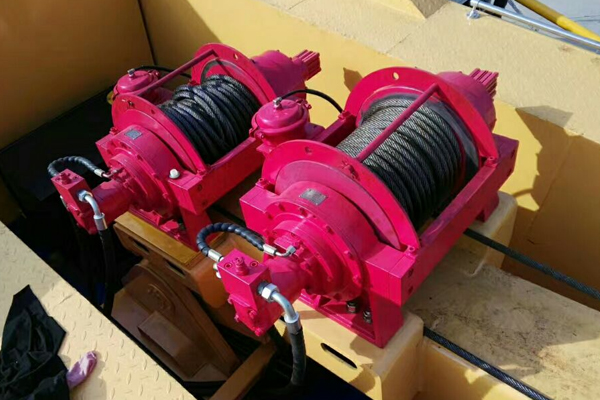
Hydraulic winches offer high durability, stable output, and long working cycles, but they are heavier, more complex to install, and depend on a hydraulic power source.
I have personally seen both types fail and succeed. The difference usually comes from matching the winch to the job, not from the winch itself.
Real advantages and limits from my experience
From a manufacturing view, hydraulic winches are built for punishment. The structure is thick. The shafts are strong. The motor handles heat better over time. This makes them ideal for heavy-duty and continuous work.
Another clear advantage is duty cycle. A hydraulic winch can run longer without overheating. In recovery or industrial lifting, this matters more than peak speed.
But there are limits. Hydraulic systems add weight. They need proper oil flow and pressure. Installation takes more planning. For small vehicles, this can be a real drawback.
| Aspect | Hydraulic Winch | Electric Winch |
|---|---|---|
| Durability | Very high | Medium |
| Duty cycle | Long | Short |
| Installation | Complex | Simple |
| Weight | Heavy | Light |
I always explain to customers that electric winches are light and convenient, but they are not designed for constant heavy pulls. Hydraulic winches are not convenient, but they last.
How much weight can a 10,000-lb winch pull?
This question comes up often, and I hear many wrong answers in the field.
A 10,000-lb winch can pull 10,000 lb only on the first rope layer under ideal conditions, and the real usable pulling force is usually lower in practice.
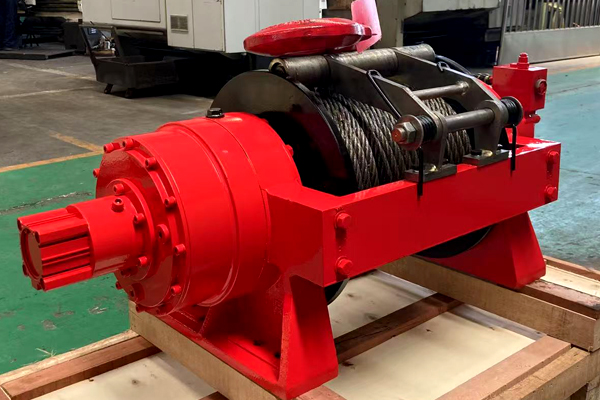
I once inspected a failed recovery where the operator trusted the label but ignored the setup. That mistake cost time and money.
Why rated pull is not real-world pull
The rating on a winch is a laboratory number. It assumes perfect power, a straight pull, and the first layer of rope. Real jobs rarely match this situation.
As rope builds on the drum, the effective radius increases. This reduces pulling force. Friction from the ground, slope angle, and vehicle resistance all add load.
In many recovery cases, I advise treating a 10,000-lb winch as a 6,500–7,500 lb working tool unless rigging is used.
| Condition | Approximate Effective Pull |
|---|---|
| First layer, straight pull | 10,000 lb |
| Mid drum layers | 7,000–8,000 lb |
| Poor angles or resistance | Lower than 7,000 lb |
This is why experienced operators always plan rigging in advance. I see this as good engineering discipline, not overcaution.
Is a hydraulic or electric winch better?
People often want a simple answer, but I never give one without context.
A hydraulic winch is better for heavy, continuous, and professional work, while an electric winch is better for light, occasional, and mobile use.
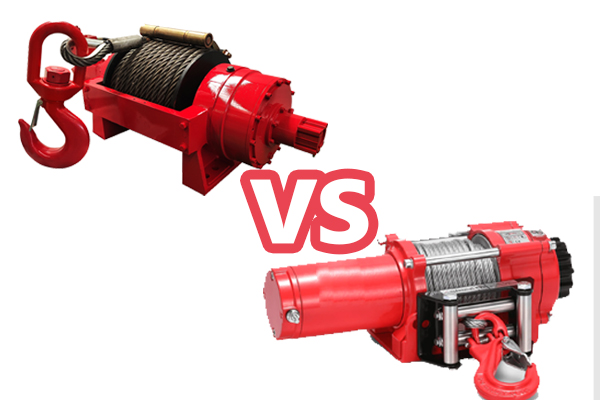
I have used both in different stages of my work. Each made sense at the time.
Choosing the right winch by application
Electric winches are light. They install fast. They cost less at first. For light recovery or personal vehicles, they make sense.
But in industrial settings, I rarely recommend them. Heat builds fast. Motors suffer. Batteries limit output.
Hydraulic winches connect to the vehicle’s hydraulic system. This gives stable torque and better heat control. They can pull heavy loads again and again without rest.
| Application | Better Choice |
|---|---|
| Light off-road use | Electric |
| Occasional recovery | Electric |
| Heavy-duty towing | Hydraulic |
| Industrial equipment | Hydraulic |
From my view, the real question is not which winch is better. The real question is which winch matches the job and risk level.
Conclusion
I believe hydraulic winches remain the right choice for serious recovery and industrial work because strength, control, and durability matter more than convenience.